







Search Results for: Geisha Natural

Panama Hacienda La Esmeralda Sun-Dried Geisha Comparison: What Exactly Is the Difference Between Blue Label and Green Label?
In the world of specialty coffee, the Geisha from Panama's Hacienda La Esmeralda is undoubtedly a benchmark existence. Front Street Coffee has recently simultaneously launched two Geisha offerings—the Natural Blue Label and the Natural Green Label—sparking curiosity among many coffee enthusiasts: both are naturally processed Geisha, so what exactly is the difference between the Blue Label and the Green Label? This article will begin with the origins and rise to fame of Geisha, outline the classification standards for Hacienda La Esmeralda's Red, Green, and Blue Label Geisha, and focus on comparing the similarities and differences between the Natural Blue Label and Natural Green Label in terms of altitude, production region, and flavor performance. At the same time, Front Street will also share the brewing parameters and tasting experience for the Natural Green Label, guiding you through a comprehensive understanding of the unique charm of each of these two Geisha offerings. [more…]
2018 Panama BOP Auction Concludes: Natural Geisha Sets a Record High of $803 per Pound, Hacienda La Esmeralda Crowned Double Champion
The results of the 2018 Best of Panama (BOP) auction have been officially revealed. The natural Geisha shattered the historical record with a staggering price of $803 per pound, becoming this year's top lot. Elida Estate, with its double victory in both the washed and natural Geisha categories, became the first "double champion" in BOP history. This year's auction not only witnessed the continued dominance of the Geisha variety but also reflected the profound impact of reduced production in the Panama region on the scale of the competition. Front Street Coffee takes you through a comprehensive review of the highlights and changes of this world-class green bean event. [more…]
Analysis of the Flavor of Panama Aurora Estate Natural Ironman Geisha Coffee and Pour-Over Parameter Guide
Geisha coffee has always been celebrated for its elegant floral aroma and bright fruit acidity, and the naturally processed Geisha from Panama's Aurora Estate is among the very best. Estate owner Roberto Brenes once won the Best of Panama championship with his Iron Man Geisha, and his natural-process Camilina lot claimed the top spot again in 2016. Front Street Coffee's recently launched Aurora Estate natural Geisha is striking for its white floral notes, berry-like acidity, and sweet orange juice character. This article will walk you through the spread of Geisha and the terroir of Aurora Estate, and share Front Street's roaster's pour-over recommendations for this bean—including grind size, water temperature, coffee-to-water ratio, and staged pouring technique—so you can brew a full-flavored cup at home. [more…]
Panama Aurora Estate Geisha Coffee Flavor Analysis and Detailed Pour-Over Parameters Guide
Panama's Aurora Estate Geisha coffee has repeatedly won championships in BOP competitions thanks to its outstanding quality, with the 2013 Washed Ironman Geisha and the 2016 Natural Camilina Geisha being particularly remarkable. Front Street Coffee provides an in-depth analysis of Aurora Estate's growing environment, processing methods, and flavor characteristics, and shares the complete pour-over parameters and brewing suggestions for this Natural Geisha. The article also introduces the background story of estate owner Robert Brenes, and how Aurora Estate stood out amid Panama's Geisha boom. Whether you are a Geisha enthusiast or a pour-over player, you can gain practical coffee knowledge and brewing inspiration from it. [more…]
Panama Hacienda La Esmeralda Washed vs. Natural Geisha Comparison: Flavor Differences, Red and Green Label Distinctions, and Brewing Key Points
The Geisha variety has always carried an aura in the coffee world, and many friends who are just getting into specialty coffee first hear its name before tasting its flavor. At Front Street Coffee shops, customers often pull the baristas aside to ask what exactly makes Geisha so special. This article starts with the variety's origins, sorts through the flavor differences that the two traditional processing methods—washed and natural—bring to Geisha, and specifically compares the characteristics of two representative beans from Panama's Hacienda La Esmeralda, the Red Label and Green Label, before finishing with Front Street's brewing parameters and techniques to help everyone understand this bean more completely. [more…]
Exploring Geisha Coffee: From Origin Tracing to Hacienda La Esmeralda Natural Processing and Pour-Over Flavor Analysis
Geisha coffee, with its layered floral and fruity aromas, has long been a benchmark variety in the specialty coffee world. Many enthusiasts, after getting their hands on Geisha beans, often worry that improper brewing will fail to do justice to its flavors. This article, from the perspective of Front Street, first guides you through the origins and main producing regions of Geisha coffee, then takes a deeper look at the plot divisions and grading system of Panama's Hacienda La Esmeralda, analyzing how the refined natural process shapes its distinctive fruit aromas. Finally, it shares the pour-over parameters and three-stage extraction steps used at Front Street's shop for the Esmeralda Red Label Natural Geisha, helping you more fully bring out Geisha's jasmine, citrus, and tropical fruit notes. [more…]
Panama Hacienda La Esmeralda Geisha: A Comparison of Washed and Natural Processing Brewing Flavors and an Analysis of the Red, Green, and Blue Label Grading System
Geisha coffee is world-renowned for its rich floral aroma and exquisite fruity acidity, and Hacienda La Esmeralda in Panama has pushed this variety to its peak. This article begins with the Red Label Geisha and Green Label Geisha from Hacienda La Esmeralda offered by Front Street Coffee, systematically reviews the origin and spread of the Geisha variety, explains in detail the terroir characteristics of Hacienda La Esmeralda's three major plots—Jaramillo, Cañas Verdes, and El Velo—and deeply analyzes the grading standards for competition-grade Red Label, collection-grade Green Label, and volcanic rock Blue Label. At the same time, combining Front Street's roasting curves and cupping reports, the article compares the specific differences between the natural and washed processing methods in dry aroma, acidity, body, and aftertaste, providing coffee enthusiasts with a complete reference for tasting and brewing. [more…]
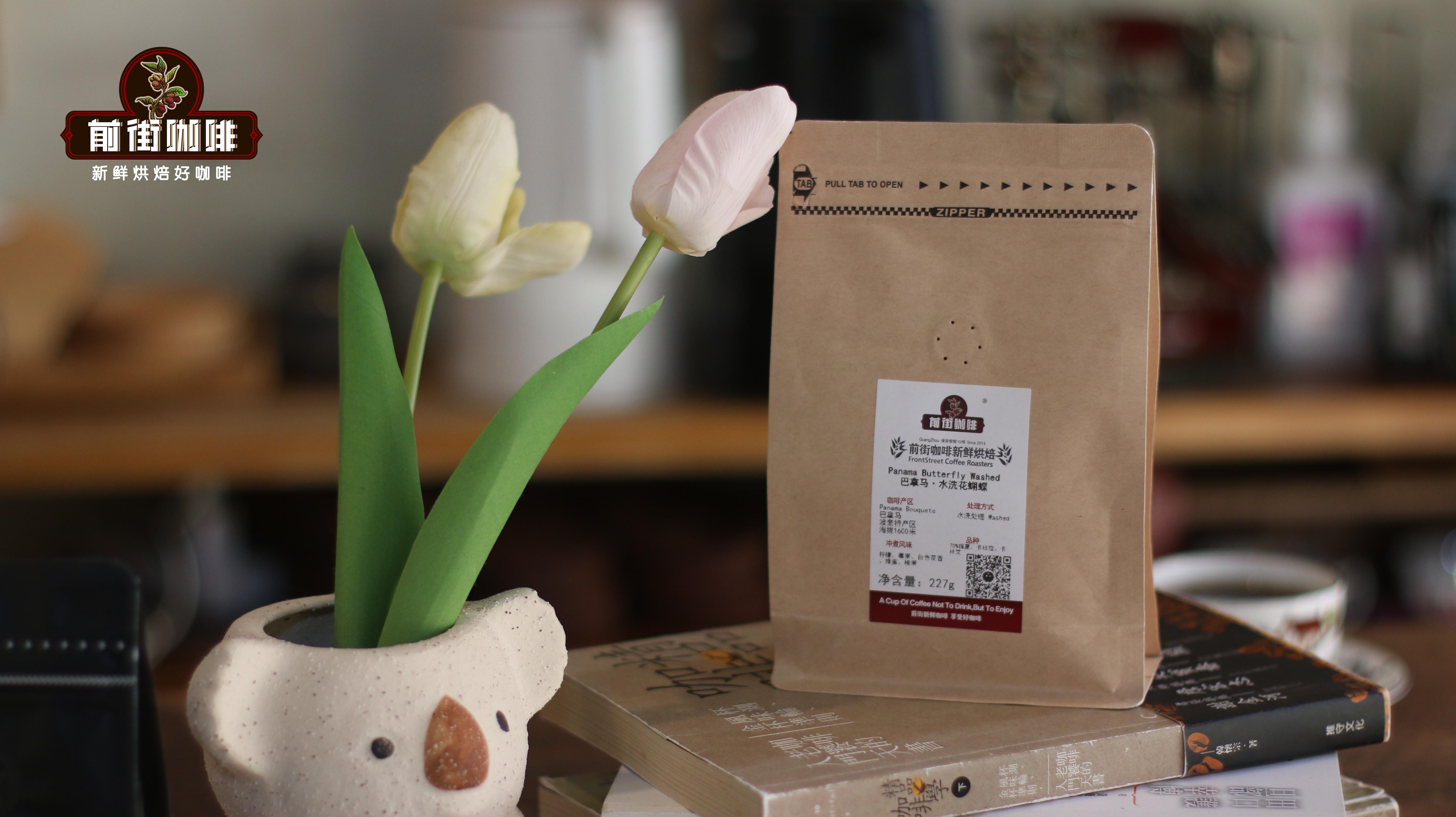
Why Is Panama Butterfly Classified as a Geisha Blend? An Analysis of Its Single-Origin Attributes and the Flavor Differences Between Natural and Washed Processing
Front Street Panama·Butterfly is hailed as a Geisha alternative thanks to its roughly 70% Geisha composition and the high-altitude terroir of the Boquete production region. It is a blend of three varieties—Geisha, Caturra, and Catuai. Although labeled as a Geisha blend, it is classified as a single-origin coffee because it comes from the same production region and undergoes the same washed processing. This article will sort out the blending logic and historical origins of Butterfly, compare the differences between the washed and natural versions in brewing performance, flavor cleanliness, and tropical fruit character, and present in full the review details of Front Street's natural Butterfly, helping coffee enthusiasts understand the specific effects of mixed-variety harvesting and processing methods on the flavors in the cup. [more…]
Geisha Coffee Brewing Techniques and a Full Analysis of the Sun-Dried Flavor of Panama's Aurora Estate
Geisha coffee is known as the luxury item of the coffee world, and its delicate varietal characteristics and high price make the brewing process especially noteworthy. This article focuses on the sun-dried Geisha from Panama's Aurora Estate, reviewing the estate's impressive results in BOP competitions and its processing methods, and sharing Front Street Coffee's custom pour-over recipe for Geisha—including a V60 dripper, 91°C water temperature, a 1:15 coffee-to-water ratio, and a three-stage pouring technique. It also analyzes the flavor layers of Aurora sun-dried Geisha—white floral aromas, berry-like acidity, and honey sweetness—and offers advice on resting and freshly roasting the beans, helping enthusiasts present this precious bean's full charm in a more reliable way. [more…]
Panama Aurora Estate Ironman Geisha: Origin of the Name, the Road to BOP Victory, and a Flavor Analysis of the Natural Camilina
In the western valley of the Barú Volcano, near the Costa Rican border in Panama's Volcán region, lies a young estate established only in 2006—Auromar. The estate's name is a combination of the names of the owner Roberto's daughter Aurora and granddaughter Mar. Since winning the washed Geisha category at the BOP competition in 2013, Auromar has been shortlisted almost every year, and the Ironman Geisha has thus become widely renowned. The name "Ironman" stems from the owner's passion for triathlon, while the natural process lots are named after his granddaughter Camilina. This article will outline Auromar's geography and microclimate, the naming stories of the Ironman Geisha and Camilina, the natural processing workflow, and, combined with Front Street Coffee's roasting and pour-over recommendations, present this natural Geisha's floral aroma, strawberry, guava, and oolong tea aftertaste. [more…]

Huakui 7.0 New Harvest Flavor Analysis: From Champion Lot to Sidamo Natural Coffee Beans Pour-Over Parameters Explained
The 2023 new-crop Huakui 7.0 coffee beans have arrived at port, reigniting discussions about their flavor and authenticity. This article begins with the 2017 TOH champion lot, tracing the origin of the Huakui name, the relationship between Buku Abel village and the surrounding processing stations, and why the "Huakui flavor" is not the same year after year. It also shares Front Street Coffee's cupping performance and pour-over recommendations for Huakui 7.0, helping coffee enthusiasts gain a more comprehensive understanding of this Sidamo natural bean's characteristics. [more…]
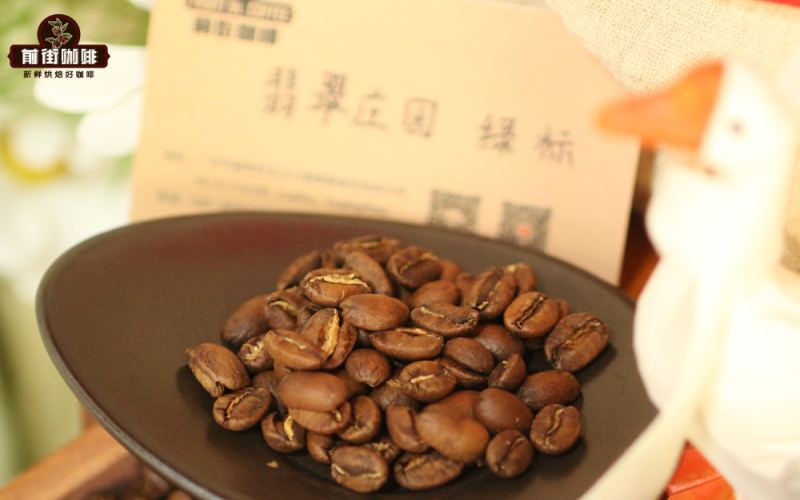
A Full Analysis of the Flavor Differences Between Panama Hacienda La Esmeralda's Red Tag and Green Tag Geisha, the Characteristics of the Geisha Variety, and Plot Classifications
Geisha coffee has captured the hearts of countless coffee lovers with its rich floral aroma and refined fruit acidity, and Panama's Hacienda La Esmeralda has elevated this variety to legendary status. The estate's three grades—Red Label, Green Label, and Blue Label—each have their own merits: Red Label Natural Geisha is full-bodied with notes of rose and berries, while Green Label Washed Geisha stands out for its fresh jasmine aroma and bright acidity. In this article, Front Street Coffee will provide an in-depth analysis of the origins and cultivation requirements of the Geisha variety, outline the microclimate characteristics of Hacienda La Esmeralda's three major plots, explain in detail the grading standards and flavor profiles of Red Label, Green Label, and Volcanic Rock Blue Label, and compare through cupping how natural and washed processing specifically affect Geisha's taste. Finally, we'll include Front Street's roasting and brewing recommendations to help readers fully understand the appeal of Hacienda La Esmeralda Geisha. [more…]
Why is Panama Butterfly called a Geisha blend? Is it a single-origin or a blend? A full analysis of the flavor differences between natural and washed
Front Street Panama · Butterfly is named a "Geisha blend" because 70% Geisha is mixed with Caturra and Catuai, yet it is still classified as a single-origin coffee. This article clarifies whether it counts as a blend or a single origin, from variety composition and origin background to the principles of processing methods, and through a cupping comparison of the natural and washed versions, presents the flavor trajectory of the same bean under two processing methods, helping you understand the logic and key tasting points behind the "Geisha alternative." [more…]
Hacienda La Esmeralda Blue Label Geisha Coffee Explained: A Full Breakdown of Grades, Natural Processing, and Brewing Parameters
The Blue Label Geisha from Hacienda La Esmeralda has long been regarded as the entry point for experiencing top-tier Geisha flavors at an accessible price. In the 2020 harvest season, Hacienda La Esmeralda released a naturally processed Blue Label version for the first time, and Front Street Coffee was among the first to import it for a comparative review. This article systematically outlines the distribution and microclimates of Hacienda La Esmeralda's three major plots, the specific classification criteria for the Red Label, Green Label, and Blue Label grades, and explains in detail the differences between the washed and natural processing methods. It also shares Front Street Coffee's medium-light roast profile and three-stage brewing recipe for the Blue Label Geisha. The article additionally compiles flavor descriptions for the Red Label, Green Label, and Blue Label across different processing methods, as well as the story behind the discontinuation of the Blue Label in 2021 and the emergence of Las Rocas Volcanic Geisha as its replacement product. [more…]
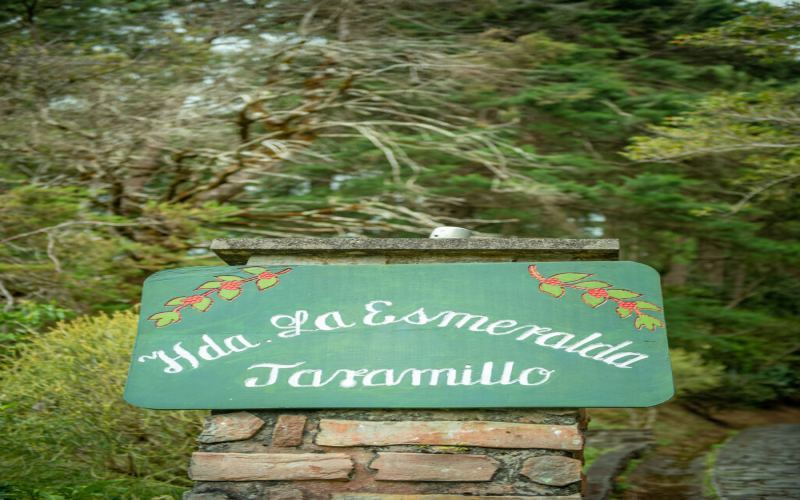
The Past and Present of Panama Hacienda La Esmeralda Blue Label Geisha: The 2021 Natural Batch and Its Connection to Las Rocas Volcanic Rock
In 2021, Panama's Hacienda La Esmeralda suddenly announced the cancellation of the Blue Label Geisha grade, leaving many enthusiasts who wanted to taste Geisha flavors at an affordable price feeling disappointed. However, in October of the same year, a Panama Boquete Geisha named Las Rocas quietly arrived at port. After extensive verification by Front Street Coffee, it was confirmed to be from Hacienda La Esmeralda, filling the market gap left by Blue Label. This article reviews Hacienda La Esmeralda's plot divisions and Geisha grading system, explains in detail the washed and natural processing methods, and shares Front Street's medium-light roast profile and three-stage brewing method, taking you through a comprehensive understanding of Blue Label Geisha's unique charm and its inheritance relationship with Las Rocas. [more…]
A Complete Analysis of the Flavor Comparison Between Washed and Natural Geisha Coffee Beans and Pour-Over Parameters
Geisha coffee, as a star variety in the specialty coffee world, attracts much attention for its unique flavor and high price. This article provides a detailed analysis of how the two processing methods—natural and washed—affect Geisha's flavor, shares the cupping performance of specific products such as Front Street Geisha Village Red Label and Emerald Green Label, and offers complete pour-over extraction parameters and brewing techniques to help coffee enthusiasts master the tasting and preparation skills for Geisha coffee. It also introduces Front Street Butterfly as a cost-effective alternative to Geisha, meeting the needs of everyday pour-over, moka pot, and cold brew. [more…]
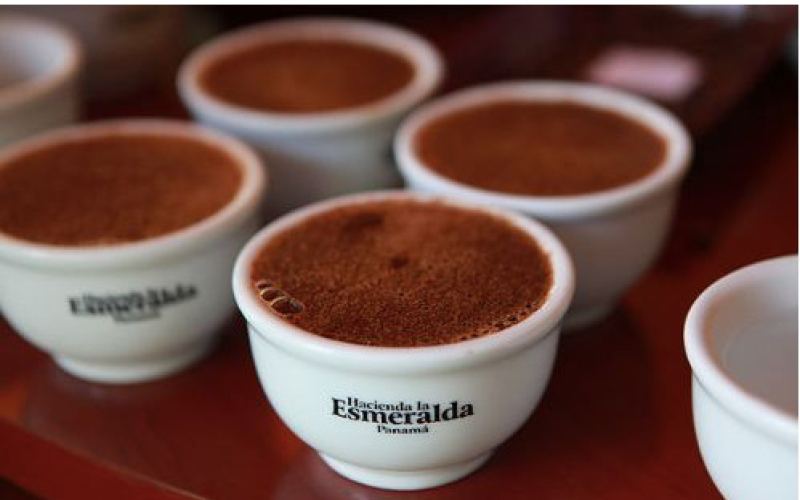
The Origin and Spread of Panama Geisha Coffee: An Analysis of Variety Characteristics, Estate Grading Systems, and Brewing Key Points
Geisha coffee's journey from the wild forests of Ethiopia to the world stage of specialty coffee owes much to the discovery and promotion by Hacienda La Esmeralda in Panama. This article will trace the spread of the Geisha variety, compare the flavor differences of Geisha from origins such as Panama and Ethiopia, explain in detail Hacienda La Esmeralda's Red, Green, and Blue Label grading system and the characteristics of each, and introduce the flavor profiles and brewing suggestions for several Geisha coffee beans sourced by Front Street Coffee, helping coffee enthusiasts gain a comprehensive understanding of this legendary variety. [more…]
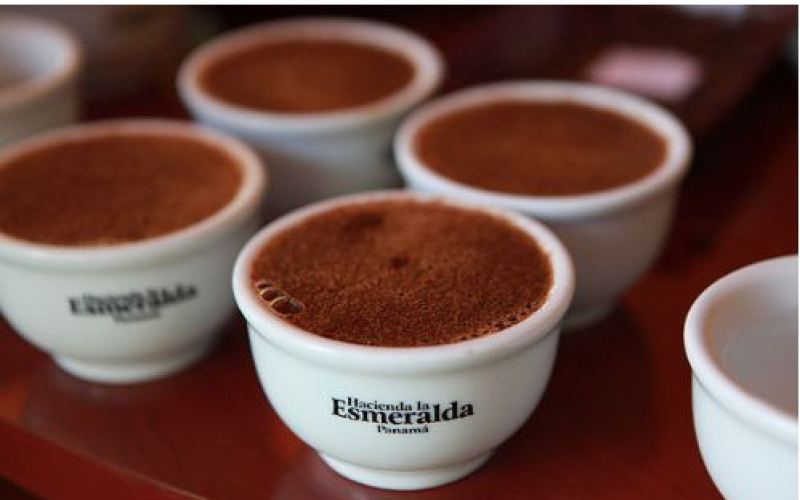
Geisha Coffee: The Variety Legend from Ethiopian Forests to Panama Champion and a Full Analysis of Origin Flavors
Geisha coffee, also known as Gesha coffee, is one of the most dazzling varieties in today's specialty coffee world. It was first discovered in the Geisha forest of Ethiopia, then made its way through Kenya, Uganda, and Costa Rica, and finally rose to fame at Hacienda La Esmeralda in Panama. This article traces the complete spread of Geisha coffee and its varietal characteristics, and introduces the Geisha flavors of representative origins such as Colombia, Costa Rica, and Ethiopia, as well as the Red Label, Green Label, and Blue Label grade classifications of Panama's Hacienda La Esmeralda. Drawing on years of sourcing experience, Front Street Coffee shares the cupping performance and brewing suggestions for each Geisha coffee bean, helping coffee lovers fully understand this legendary variety. [more…]
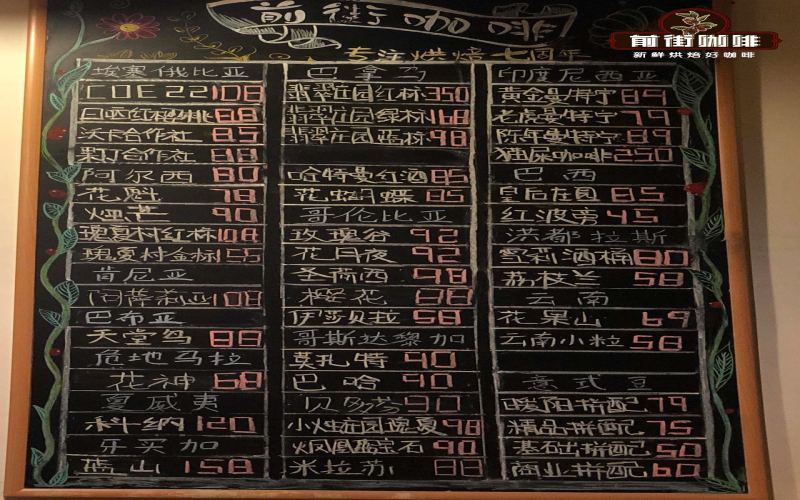
Geisha Coffee Beans from Ethiopia to Panama: A Complete Analysis of Variety Origins and the Flavor Differences Between Natural and Washed Processing
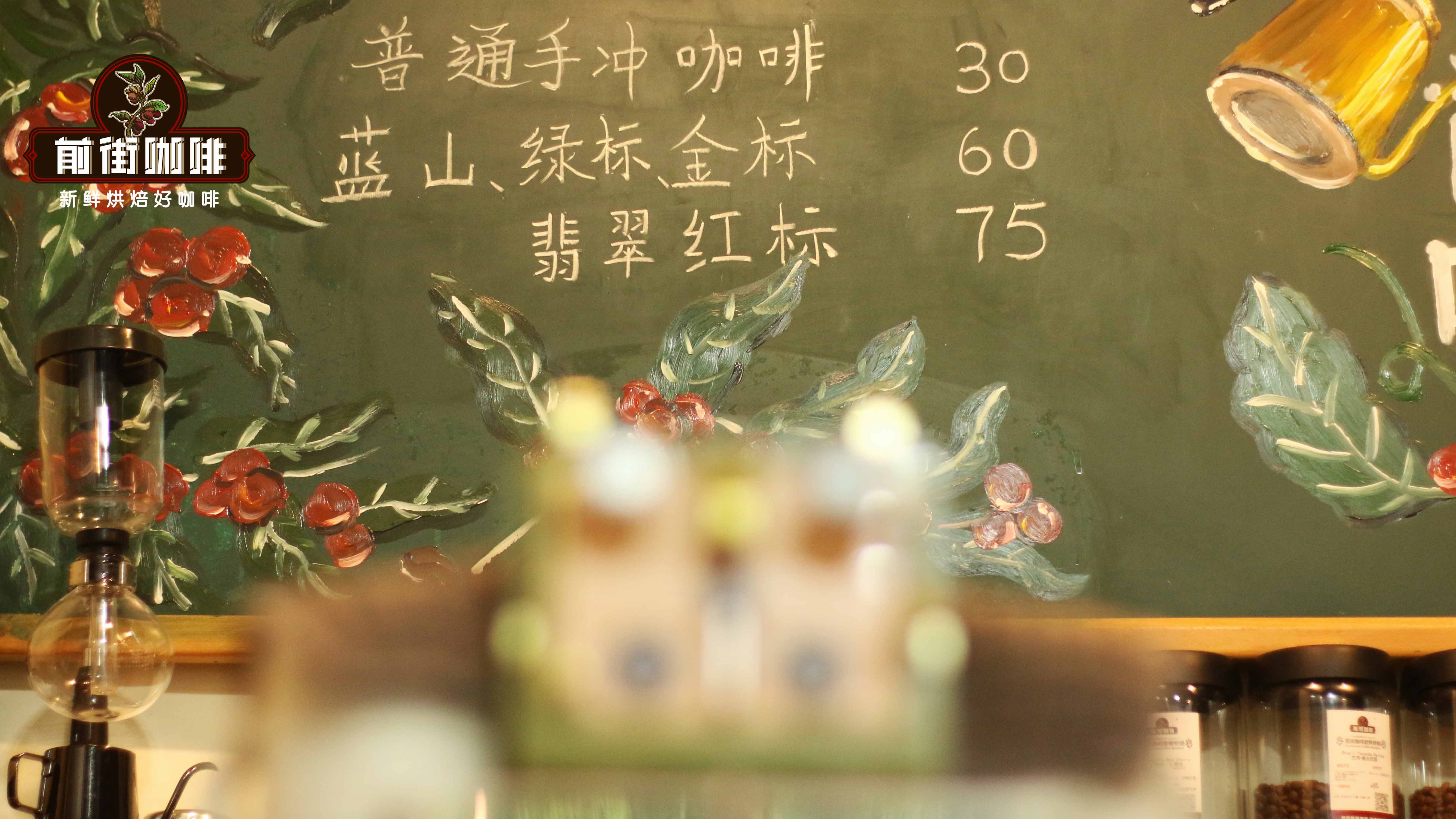
Geisha coffee has now become a top-tier star in the specialty coffee world, but did you know it did not originally come from Panama? From its discovery in Ethiopia's Geisha forests in 1931, through Kenya, Uganda, and Costa Rica, and finally to its spectacular rise at Hacienda La Esmeralda in Panama, Geisha's legendary journey spans more than half a century. Front Street Coffee stores regularly offer Red Label and Green Label Geisha from Panama's Hacienda La Esmeralda, priced from 60 yuan to 75 yuan, and one of the questions customers ask most often is what exactly is the difference between the natural and washed processing methods. This article will comprehensively trace the history of Geisha's varietal migration, explain in detail the microclimatic conditions of Panama's Boquete producing region and Hacienda La Esmeralda's three major plots, and compare the grading standards and flavor characteristics of Red Label, Green Label, and Blue Label. Finally, through actual pour-over brewing, it will present the specific differences in taste between washed Green Label and natural Green Label. [more…]
The Origins and Flavor Characteristics of Panama Geisha Coffee: A Comprehensive Analysis of Core Producing Estates Worldwide
Geisha coffee is hailed as the shining pearl of the specialty coffee world. From the wild forests of Ethiopia to the auction stage of Hacienda La Esmeralda in Panama, it has traveled a legendary journey. This article traces the spread of the Geisha variety, analyzes the flavor differences among major origins such as Panama, Colombia, Costa Rica, and Ethiopia, and provides a detailed introduction to the classification criteria and brewing suggestions for Hacienda La Esmeralda's three grades: Red Label, Green Label, and Blue Label. Front Street Coffee has selected several representative Geisha beans to give you a comprehensive understanding of this elegant variety's unique charm and key tasting points. [more…]